Source Makeup Cosmetic Glitter Powder for Nail, Resin, and Paint
Find 30 verified makeup cosmetic glitter powder options for nail art, resin crafts, and paint applications. Compare synthetic and natural varieties in violet, yellow, and blue hues, with customization and OEM services available from China-based suppliers; compare the available evidence and request quotations based on your requirements.
Key considerations
Products List




Comprehensive Sourcing Guide
Makeup Cosmetic Glitter Powder Sourcing Guide
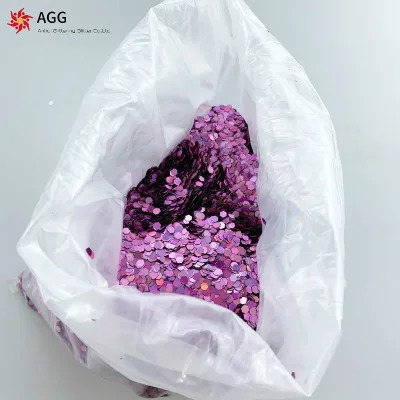
Procuring makeup cosmetic glitter powder requires distinguishing between synthetic and natural variants, as the supplied data indicates both types are available in the market. Buyers must verify whether the product is a synthetic polyester-based glitter or a natural inorganic salt composition, as this distinction fundamentally alters the application safety profile and regulatory requirements for cosmetic use. The observed listings show a wide spectrum of colors including violet, yellow, orange, blue, red, green, brown, black, and white, allowing for diverse formulation needs.
Sourcing decisions should also account for the specific physical form, which ranges from hexagonal and strip shapes to moon and star configurations. The material composition is critical, with options including PET, PE, aluminum, and PVC substrates that determine the final texture and light reflection properties. Buyers need to confirm if the glitter is designed for direct skin application or if it requires a specific binder system, as the solubility is noted as insoluble, necessitating careful formulation to prevent clumping in liquid cosmetics.
Product Scope and Observed Listing Signals
The market presents a diverse array of product models, ranging from the Ys, Js, and CH series to specific identifiers like HC46 and Borosilicate Pigments. These variations often correlate with distinct particle sizes and thicknesses, such as the 15, 25, 38, and 50 micron options observed in the listings. Procurement teams must align their product specifications with these model numbers to ensure the glitter meets the intended visual effect, whether it is a subtle shimmer or a bold, high-impact sparkle for nail art or paint applications.
Listing signals also reveal significant variability in packaging and origin, with products originating from Jiangsu and Huaian in China. Buyers should note that while some items are packed in 25kg bags, others utilize paper boxes or drums, and pallet configurations can reach 300kg. This logistical diversity impacts shipping costs and storage requirements, so buyers must verify the exact packing standard before finalizing orders to avoid unexpected handling fees or storage constraints at the destination facility.
Technical Specifications to Verify
Technical verification must begin with particle size and shape consistency, as the standard ranges from 1/8 to 1/500 inch, with specific models offering sizes like 008 and 004. The thickness specifications are equally critical, with observed values ranging from 0.014 to 0.028 millimeters, which directly influences the light refraction and durability of the cosmetic finish. Buyers should request sample batches to physically measure these dimensions, ensuring they match the precise requirements of their specific cosmetic formulation, such as lip gloss or eyeshadow.
Heat resistance is another vital technical parameter, with grades available at 130, 180, and 280 Celsius. This attribute determines the stability of the glitter during high-temperature manufacturing processes, such as hot-mixing or extrusion. Procurement teams must confirm that the selected glitter can withstand the specific thermal conditions of their production line without degrading, melting, or losing its structural integrity, which could compromise the final product's quality and safety.
Compliance and Safety Documentation
Safety documentation is paramount for cosmetic ingredients, and the observed listings frequently cite certifications such as SGS, MSDS, TDS, and COA. These documents provide essential data on chemical composition, including the presence of inorganic salts or specific pigments like chrome oxide green and iron oxide yellow. Buyers must ensure that the Certificate of Analysis (COA) explicitly confirms the product is free from prohibited heavy metals and contaminants, as this is a non-negotiable requirement for regulatory approval in major markets.
Regulatory compliance extends to specific standards like EEC and FDA, which are mentioned in the context of certain pigment types. Procurement teams should verify that the supplier can provide up-to-date documentation proving adherence to these regional regulations, particularly for products intended for export to the European Union or the United States. Without these specific certifications, the cosmetic product may face rejection at customs or be deemed non-compliant for sale, leading to significant financial and reputational risks.
Cost Drivers and Commercial Terms
Cost structures are heavily influenced by the customization options and the complexity of the production process, which involves extrusion and stretching. The availability of OEM and ODM services suggests that custom colors, shapes, or particle sizes will incur additional development and tooling costs. Buyers should anticipate that highly specialized requests, such as specific hexagonal or moon shapes in rare colors, will command a premium compared to standard off-the-shelf inventory.
Commercial terms also vary significantly based on the Minimum Order Quantity (MOQ), which ranges from 1 unit to 10,000 units in the observed data. While some suppliers offer free samples, the bulk pricing and lead times will depend on the volume ordered and the specific packaging requirements. Buyers must negotiate clear terms regarding payment schedules and delivery timelines, as the wide MOQ range indicates that smaller orders may face higher per-unit costs or longer lead times due to production scheduling constraints.
Supplier Qualification and Quality Control
Supplier qualification should focus on their ability to maintain consistent tensile properties and material characteristics, such as the noted "Good" tensile strength for PET powder. Buyers must assess the supplier's quality control protocols to ensure that the glitter maintains its shape and color consistency across different production batches. This is particularly important for cosmetic applications where visual uniformity is a key selling point, and any deviation in particle size or color could lead to product rejection by end consumers.
Quality control also involves verifying the production origin and the specific manufacturing standards employed. Since the products originate from specific regions in China, buyers should conduct on-site audits or request third-party inspection reports to confirm that the manufacturing facilities adhere to strict hygiene and safety standards. Ensuring that the supplier has a robust traceability system in place is essential for managing recalls and maintaining brand integrity in the competitive cosmetic market.
Long-Term Procurement Checks
Long-term procurement strategies must include regular re-verification of certification status and compliance with evolving global regulations. As standards like OEKO-Tex or other emerging safety guidelines may be introduced, buyers need to ensure their suppliers remain agile and capable of updating their documentation and production processes accordingly. Proactive communication with suppliers regarding regulatory changes helps mitigate the risk of supply chain disruptions caused by non-compliance issues.
Finally, buyers should establish a continuous feedback loop with their suppliers to monitor product performance in real-world applications. Tracking how the glitter performs in different cosmetic formulations over time allows for early detection of any quality drift or performance issues. This ongoing relationship ensures that the supplier remains aligned with the buyer's evolving needs, fostering a partnership that supports consistent product quality and innovation in the long run.
FAQs
What materials are used in makeup cosmetic glitter powder products?
Makeup cosmetic glitter powder is typically made from PET, PE, aluminum, or PVC film layers, processed through extrusion and stretching into fine particles. Some cosmetic grades use inorganic salt or borosilicate-based pearl effect pigments instead. When sourcing, confirm the material composition with the supplier's MSDS, TDS, or COA documentation to ensure suitability for cosmetic applications.
Can cosmetic glitter powder be customized in color, shape, and size?
Yes, customization is available from many listed suppliers. Buyers can request colors such as violet, yellow, orange, blue, red, green, brown, black, and white, plus shapes like hexagonal, strip, moon, star, and square cut. Particle sizes commonly follow standards like 1/8 to 1/500 inch or 008 and 004 sizes, and OEM and ODM services are welcomed.
What certifications should cosmetic glitter powder suppliers provide?
Request SGS certification, MSDS, TDS, and COA documentation as baseline evidence of quality and safety. For cosmetic-grade products, suppliers may also reference EEC and FDA compliance, particularly for pearl effect pigments used in cosmetics. Always verify that certificates match the exact product batch rather than relying on generic documents, and ask for recent test reports before placing bulk orders.
How is cosmetic glitter powder packaged for bulk shipment?
Common packaging options include 25kg bags, 25kg per carton or drum, and 300kg per pallet arrangements, with 25kg per color in cartons or drums also offered. Special packing is available on request, and some smaller-volume items ship in paper box packaging. Confirm your preferred packing format with the supplier before ordering, since special packaging may affect the final price and lead time.
What heat resistance does glitter powder offer for different applications?
Glitter powder grades offer heat resistance of 130, 180, and 280 degrees Celsius. Lower grades suit cosmetic, nail, and textile uses, while higher heat resistance supports paint, ceramic, and plastic applications involving elevated processing temperatures. Match the grade to your production process, and request the TDS to confirm thermal performance for your specific formulation before committing to a bulk purchase.
Which applications can cosmetic glitter powder be used in?
Listed applications span textile, paper, leather, ink, paint, plastic, cosmetic, ceramic, resin, and nail uses. For makeup specifically, focus on cosmetic-grade material such as inorganic salt flash powder or borosilicate pearl pigments in fine sizes like 008 and 004. Solubility varies by type, so confirm whether the material is insoluble or compatible with your formulation medium before ordering samples.
Can I get free samples before placing a bulk order?
Yes, suppliers listed on this page follow a freely supplied sample policy, so you can evaluate color, particle size, and finish before committing. Request samples in your target specifications, such as a specific color, shape, or thickness grade. Note that samples confirm appearance and quality, while final bulk pricing depends on quantity, MOQ, customization, and packaging requirements negotiated with each supplier.
What minimum order quantities apply to cosmetic glitter powder?
MOQ varies widely across the listed range, from as low as 1 unit for sample or trial purchases up to 10,000 units for bulk production runs. Larger volumes typically align with standard 25kg bag, carton, or drum packing formats. Discuss MOQ directly with suppliers, since small trial orders and customized colors, shapes, or thickness grades may carry different quantity requirements than stock items.